
Key Challenges
The merger created a broad product landscape with major inconsistencies across user experience, brand expression, and technical implementation. Each portfolio had evolved independently before consolidation, which left the company with disconnected component libraries, fragmented workflows, and uneven visual standards.
Operationally, overlapping design systems and technical implementations created avoidable maintenance costs and engineering rework. UX was often treated as a downstream execution function rather than a strategic input, which made it harder to align products around a shared direction. Without a unified framework, the portfolio faced scalability risks, including slower time-to-market and missed cross-sell opportunities.
Approach
I approached the transformation across three connected levels: organizational structure, operational consistency, and strategic product execution.
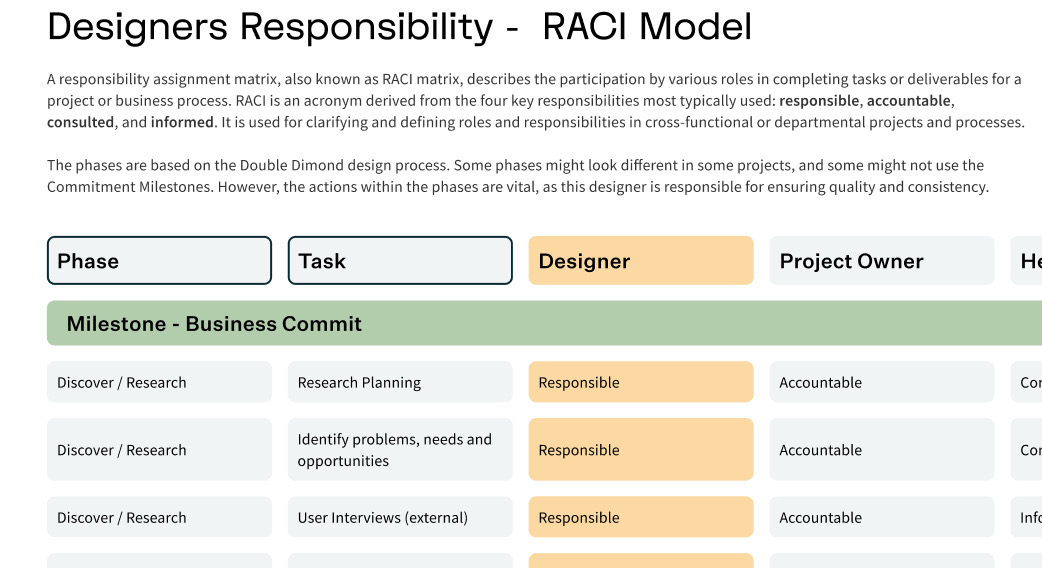
At the organizational level, we built a stronger design function by growing the team from three to eight designers and formalizing hiring, onboarding, and reporting. Designers were embedded within product portfolios while staying connected through a centralized guild model, giving teams dedicated support without losing cross-team alignment. I worked closely with the CTO, CPO, and portfolio leaders to reposition design as a strategic partner, while introducing shared critiques and rituals that reinforced quality and continuous improvement.
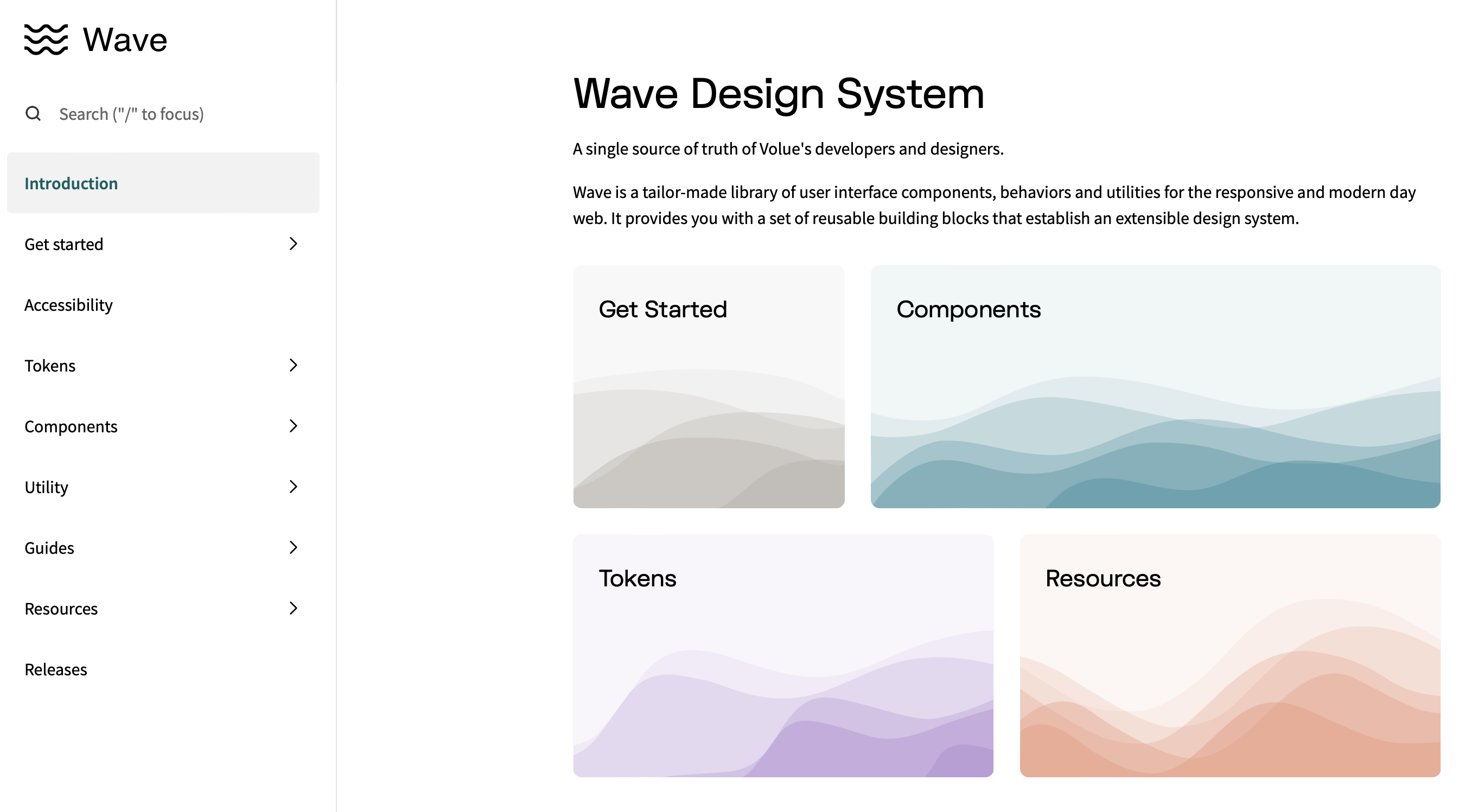
Operationally, we transformed an underused component library into Wave, a design system that became the backbone of our development practice. The goal was to operationalize consistency so teams could focus on customer problems instead of rebuilding interface patterns. We presented the business case directly to the CEO and secured the mandate to make Wave the standard for future development. The system was rebuilt with accessibility and scalability at its core, turning it into a practical tool that engineering teams actively adopted.
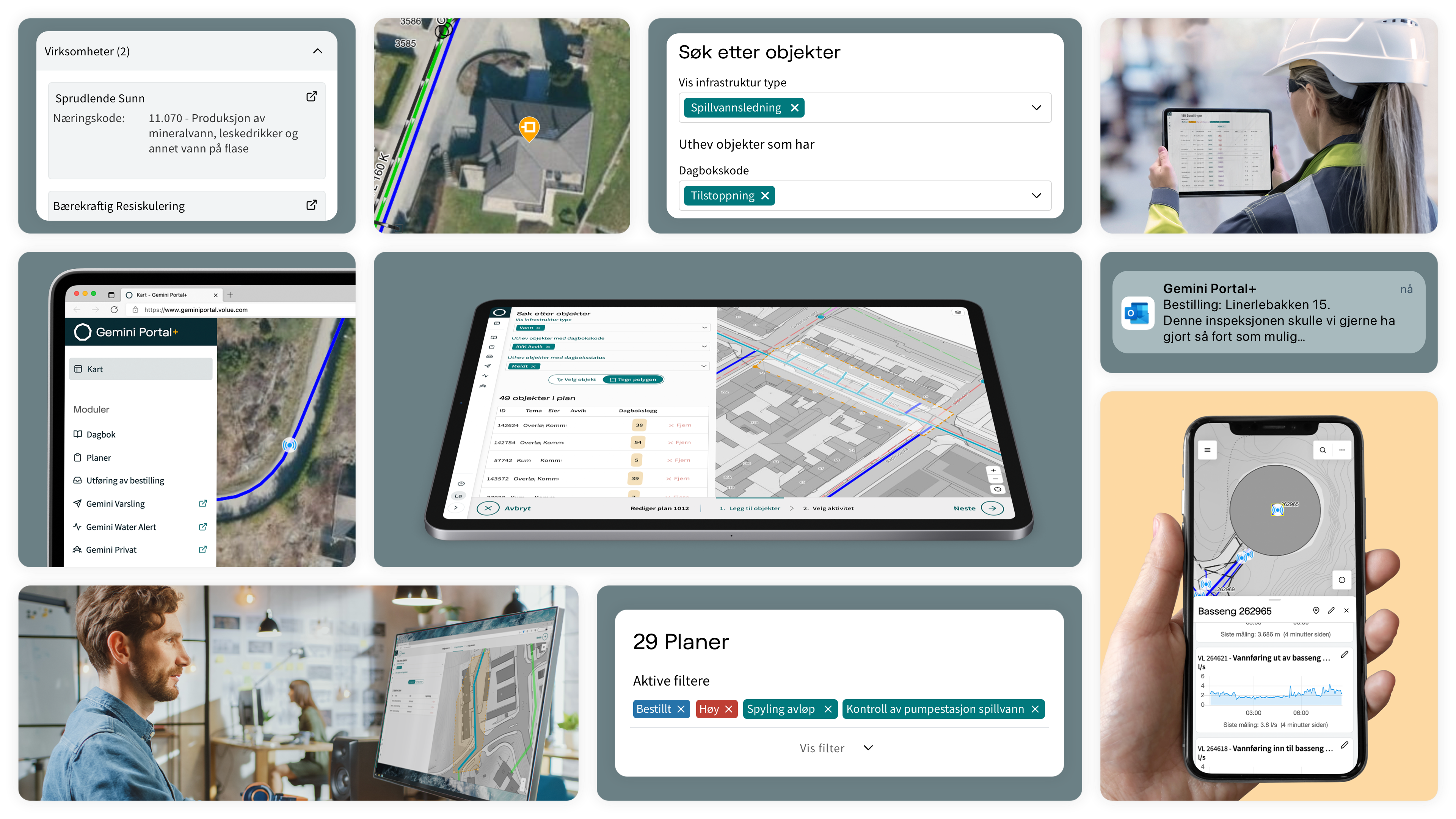
Strategically, we demonstrated the impact of this direction through Gemini Portal+, a flagship initiative that unified the Water portfolio into a modular, process-oriented platform. By replacing fragmented standalone products with a scalable suite, we made the solution easier to adapt across customer maturity levels while positioning it for expansion across Nordic markets and beyond.
Outcome and Strategic Impact
We moved from a fragmented set of acquisitions toward a more unified and aligned design organization. By making design a standing agenda item in executive discussions, user experience became a more visible part of corporate strategy rather than a downstream delivery function.
The introduction and adoption of Wave reduced duplication across teams and helped engineering ship features faster with greater consistency. That improved the quality and coherence of key products, supporting market competitiveness, sales conversations, and customer retention.
During a high-pressure merger, I helped build a resilient design team that could navigate ambiguity and scale. Many of the designers I hired and mentored still hold impactful roles today.